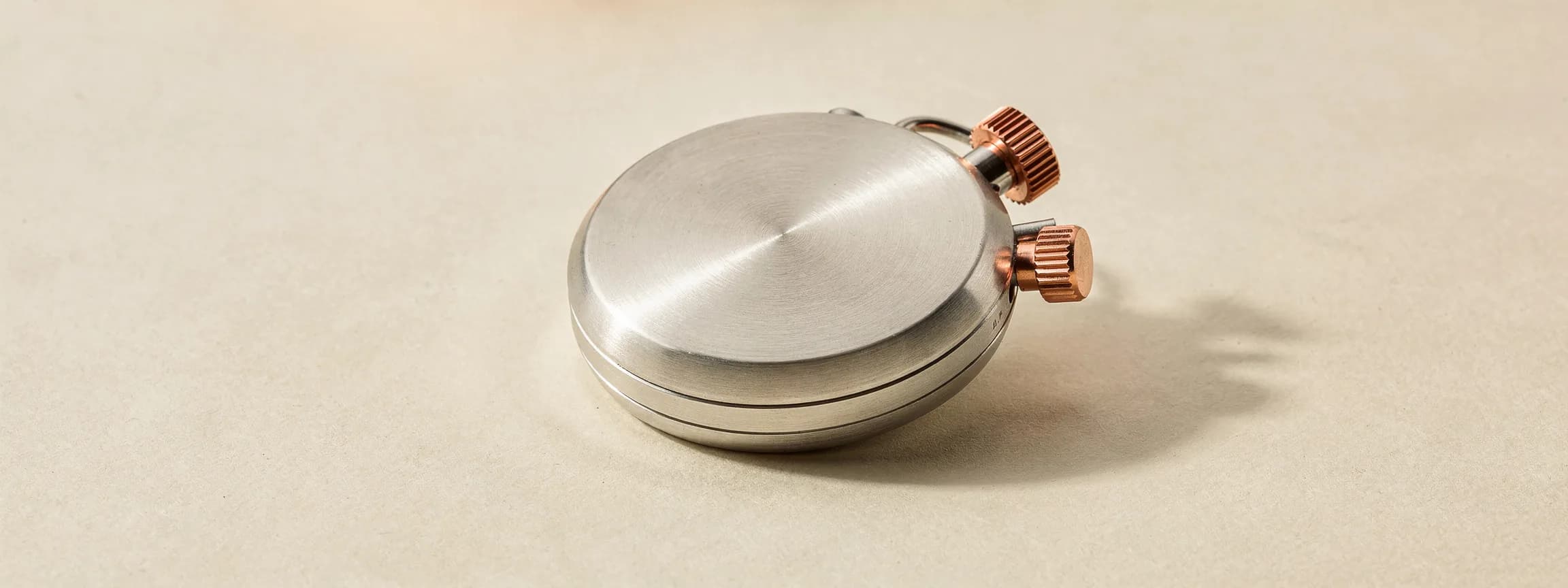
The always-current answer to what MenFem is doing — what we did last week, what we're working on now, and the roadmap behind both. Written for anyone we work with, or might.
As of
Updated every Sunday as part of the weekly rhythm. Next update: Sunday 25 October 2026.
The short version
MenFem is an independent research and media company on AI infrastructure — the chips, datacenters, power and money behind AI — and on how a person can own their AI rather than rent it. A team of AI agents does the legwork. We track around 760 companies, keep our own price and filing data, publish what we find, make videos explaining it, and do useful work for a roster of young AI companies before they ask — shown on their pages. Everything on the site is free. Since October the business runs consulting-first: we work with owner-led businesses and startups as an operating partner, starting with a two-week Operating Review — see /consulting. Since 12 October there is also a Health line: a free check on /health that points people to an eight-week programme.
Week by week
What landed each week — live on the site or finished, never merely started — and what we meant to do and didn't.
·/health went live on the menu: a free four-minute check, a readout of what it found and which eight-week programme fits, anonymous by default and saved only if you choose, encrypted when it is.
·/data became Power & Compute Weekly — one issue a week on what moved in power and compute, with a read on each signal and what we are watching next.
·/markets/compute was rebuilt around seven questions about the compute market, each answered with one number, its four-week trend and the one fact that would change it.
·The Store was redesigned around hardware: each object drawn to measure as a numbered plate with its parts list and the pieces written about it, and objects can be shown as not for sale.
·The /companies radar gained search, event pings, an earnings countdown and a time scrubber; the 3D company view now shows money flowing from payer to paid where a published deal records it.
·Earnings dates that pass now roll forward to the next expected date instead of disappearing, and a company page with no announced date says so instead of showing a blank.
·A public "what’s new" feed for people and AI agents, listing every newly published piece and the companies it covers.
·Startup pages became founder-ready, with a door for founders at the top of the roster and on every company.
·Our research agents now publish a company event only after the site has opened its source and confirmed it.
Didn't get to
·Still no article or video published — the Stories page is empty for a third week.
·Nothing can be paid for yet: not the consulting review, the Health programmes, the shop or the data files.
·The Store shelf is still empty; the first GPU example waits on a step from the Mac.
·Only one of the three Health programmes has an outline; the writing is still to do.
·No MenFem Daily episode, no startup review and no startup work log entry went out, and the two /ai tutorials are still briefs — fourth week running.
·/consulting replaced the old services page: a free Operating Scorecard, a two-week Operating Review as the paid way in, a few retainer seats, an Operator subscription, and for startups an equity road — with an intake form, private proposal pages and a client area behind it.
·Applying for a job is now about what you have built, not your CV: you apply on MenFem in four steps by showing your work, the CV link is optional, and every application is tracked with the date you will get an answer.
·Founders got a hiring side: a hiring page for each company with a hiring pledge, a kit for writing roles and scoring interviews, and free job posting for startups in our sectors — never defence.
·The work we do for startups is now public on their pages — fixes, pull requests, intros, hires and visitors sent — and the roster page adds it up. Security and privacy problems stay private, always.
·The startups roster widened into six frontier-problem areas, including post-training, verification, inference and interpretability.
·The /companies radar was rebuilt: smoother lenses, callouts that name what matters, click to lock and fly in, and it now works on a phone.
·Market calls moved off the Stories page to their own record; Stories and Videos gained a week-by-week strip, and day pages are now numbered as episodes.
·/data added US wholesale power prices at eleven hubs back to January 2022, and now marks a series late when its next figure is overdue.
·A second speed pass: the jobs, shop, videos and market-call pages are now served from cache, and the /companies page went from 146 to 85 kB.
Didn't get to
·No article or video has been published yet, so the Stories page has no stories on it.
·The two /ai tutorials are still briefs — third week running.
·Nothing can be paid for online yet: the consulting payments, the shop’s first product and the data files all wait on the payment setup.
·No MenFem Daily episode and no startup review is recorded as published; both carry into next week.
·The compute market has a home at /markets/compute: a week-by-week board, a ledger of 60 GPU financing and capacity deals since 2023 — each on a filing or the companies’ own announcement — and GPU rental prices split by contract length, with advertised prices and prices paid never blended.
·One Stories page now holds every piece, filterable by week; it replaces AI, Creative and Markets in the menu, and /creative was closed and redirected.
·Startup reviews are live: hands-on tests of each tracked startup, findings shared privately with the founder first, and a free site check founders can run on their own site.
·Company pages gained financials from SEC filings — 8,256 reporting periods — and who each company trades with and competes with: 2,125 links, shown on a 3D company view.
·Interactive stories: markets and AI news pieces are now built from blocks — charts, figures and steps — with the full text still on the page.
·The Exchange became MenFem’s own shop for downloads, and the signed-in area was rebuilt around saved pieces, reading, following and a library of everything you have downloaded.
·Jobs can now be applied for on the site in one page, and roles applied for elsewhere can be marked as applied.
·A site speed pass: eight kinds of page are now served from cache, and the third-party analytics script was removed from every page.
·The video style library finished: 1,238 effects catalogued, each with how it is built and the word to ask for it, and 33 After Effects tools built to make them.
Didn't get to
·The two /ai tutorials are still briefs, not finished pieces — second week running.
·Nothing in the shop or on /data can be bought yet; the first product is named but not on sale.
·No MenFem Daily episode and no startup review is recorded as published yet; both carry into this week.
·Data products completed to the design: downloadable data files at /data/files, a "Who is buying" panel on company pages from insider filings and short interest, and a dark chart block.
·The neocloud wave: 31 full deep-dives on GPU clouds, sovereign clouds and compute marketplaces, each checked by a second reviewer — 29 published to /companies.
·A new header, with six desks and a sign-in link, and a footer at half the height.
·The first two /ai tutorials briefed: whether to own or rent your AI, and how to audit the files your AI project relies on.
·Every scheduled agent now publishes a readable board of what it found, instead of a wall of text.
Didn't get to
·Nothing on /data can be bought yet — the prices are still to be set.
·The two tutorials are briefs, not finished pieces.
·The design campaign went live across /ai, /creative, /markets, /data, /services, /jobs, /explained and the homepage.
·/data filled out: GPU rental prices, power and the supply-chain layers as public series, plus the Data Book and an API page.
·The startups practice started: a tracked roster of young AI companies, read daily, with a piece of useful work for each.
·Jobs: hiring is now read from each company’s own job board, and a wrong "nothing open" line was removed from 33 company pages.
Focus now
Consulting first
From 9 October consulting is the main business line, so revenue starts now rather than later. We work with owner-led businesses and startups as an operating partner: a two-week Operating Review to start, then a small number of seats, with the machine doing the legwork so the help is not bound to our hours.
One episode at a time
The work runs as one serious project at a time rather than a long list of small things. Each morning we rank the candidates and pick one; the research runs for it alone, and since 9 October each one is numbered as an episode.
The compute market, from the inside
An hour of GPU time is turning into a traded commodity, with futures, term contracts and specialist clouds. We are building a record of real prices and real deals so readers — and eventually buyers — can see what the market actually charges. Advertised prices and prices actually paid are never blended into one number.
Helping startups before they ask, in public
For each startup we track, we test the product, find what is broken and do the work — a fix, a design, an intro, a hire — without asking first. Since 6 October that work is shown on the company’s page; security and privacy problems are never published at all. It is how MenFem earns relationships instead of cold-pitching them.
In progress
Paying online for the consulting practice — the Operating Review and the Operator subscription, by card or invoiceAwaiting review
The first MenFem Daily episodes, using the new style libraryBuilding
The first published startup reviews — an unscored first look, led by videoBuilding
The first entries in each startup’s public work logAwaiting review
The first written issue of Power & Compute Weekly — the pages are live; the week’s take is still to be writtenAwaiting review
The three Health programmes written, photographed and on sale — one outlined so farBuilding
The first object on the Store shelf — a GPU shown as not for sale, with its parts listAwaiting review
Adding MenFem to Claude as a connector, with a proper sign-inBuilding
The Stack Book — our data book — as the first product in the shopBuilding
The first two /ai tutorials, from brief to published pieceAwaiting review
Roadmap
Free instruments stay free — things on this list get built when demand pulls them, and every ship lands on the shipping log.
Next
The first clients through the new practice
The page, the intake, the proposal and the client area are built. Next is booking and running the first Operating Reviews through them.
Soon
The Operating System kit in the shop
The kit behind the practice — the systems a client is set up with — is packaged as a download. It goes on sale once the shop can take payment.
The buyer’s side of on-device AI
Should you buy a DGX Spark, a Strix Halo or a Mac Studio — and what actually runs well on it, at what quality and cost? Answering honestly means owning the hardware and running real work on it. Not a build; a bench.
Later
Scores on startup reviews
First looks go out unscored. A score comes with the re-test, once the founder has had the chance to fix what we found.
This page looks forward. The other half of the story is the shipping log: what already landed.